
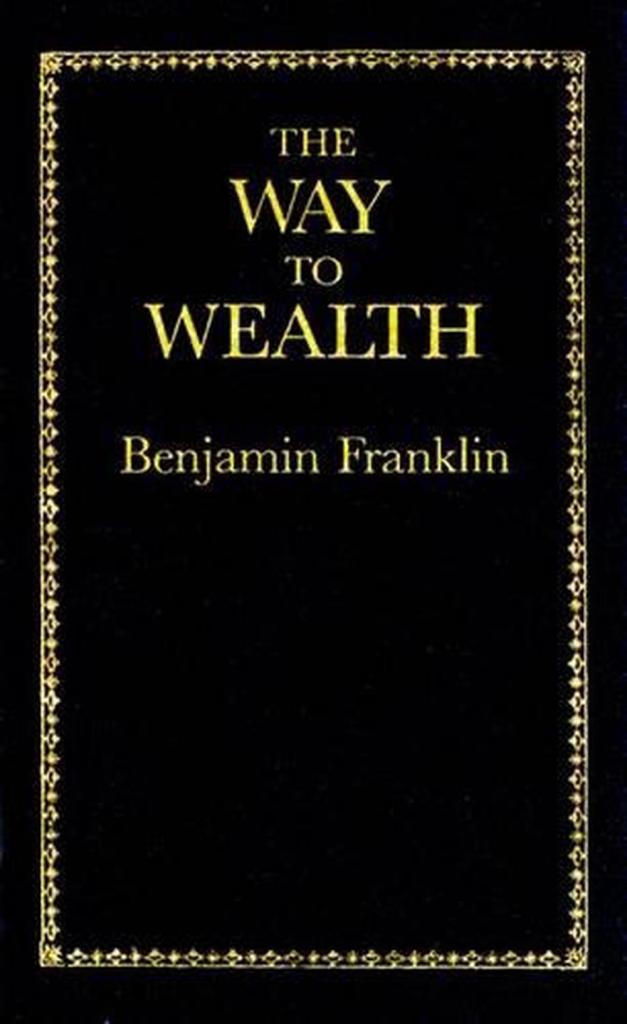
Philosophers, and the discipline which they propagate, can be haughty, unapproachable, and apparently out of touch with reality. Many of them know this – fellow philosophers even accused Kant of being too out of touch with the “real” world – but it does not seem to deter them. This is not necessarily a problem, but it can mean that philosophy as a discipline becomes isolated from that which it is supposed to examine and the people for whom it supposedly applies. Of all the philosophers I’ve read, none break this stereotype and take on a greater approachability and humanity than Benjamin Franklin.
That may not be the first title you think of with regards to one of America’s founding fathers, but I think it more apt than any other for an eighteenth-century polymathic inventor, statesman, scholar, public servant, author, journalist, physicist, and more; after all, philosophy literally means “love of knowledge,” and that Franklin most certainly embodies. He’s often overlooked in discussions of that period of history – he was not a president, he did not have a significant role in the first sessions of the US congress, and he wasn’t involved in the Revolution’s military campaigns – but perhaps this is because he should be thought of more like a grandfather to America than amongst its founding fathers. When he is referenced, it rarely for his philosophy, but I first came to think of him that way in reading his Autobiography of Benjamin Franklin.
Doubtless many “real” philosophers would sneer at Franklin’s version of philosophy, which we could go so far as to term “folk philosophy.” If that was a genre, it is where I would shelve The Way to Wealth, which is essentially a short collection of the best snippets of advice and clever nuggets of wisdom published over the years in Franklin’s own Poor Richard’s Almanac. Commonplace sayings you might not even think to attribute to Franklin appear in here, all presented in a framing story of a crowd receiving a sermon from a “Father Abraham.” This is not Socrates telling us that the beginning of wisdom is knowing we know nothing, or asking if conduct is right because the gods demand it or if the gods demand it because it is right; it is Franklin telling us that eating an apple a day keeps the doctor away, that going to bed early and rising early will make you healthy, wealthy, and wise, and that sloth, pride, and intemperance are far greater taxes than any the government could impose.
That does not make it any less philosophy. Franklin’s philosophy is a philosophy of practicality, advocating for many of the traits which he sought to encapsulate in his thirteen virtues: industry, temperance, moderation, tranquility, and so forth. It is both more applicable to our everyday lives, and harder to apply, than what we might conventionally think of as philosophy, but that makes it no less valid. Unlike many of the self-help books published today, there is no secret or trick in Franklin’s advice – for him, the way to become wealthy is to apply yourself, exercise restraint, and not succumb to temptations, extremes, or unnecessary luxuries. That seems no less true now than in the eighteenth century, but as the conclusion of The Way to Wealth observes, “the people heard it, and approved the doctrine, and immediately practiced the contrary, just as if it had been a common sermon.”
 IGC Publishing