This year’s “best of” list was easier to compile than previous years for a simple reason: many of the books I read were part of either Wheel of Time or the Bible, and I knew going in that I would only choose at most one from each of those collections to make the top five. I also had a handful of books which I was almost certain would make the top five, or at least be finalists for that select group, which made the rest of the selections simultaneously easier and harder. Easier, because there were several obvious selectees, and harder, because I had fewer slots for the “maybe” books.
Whittling down the list to a top ten is pretty easy, maybe easier than you might expect. Easier than past years, which may be due to the series selection mentioned previously, my increasing practice in producing this “Best Books” post, or perhaps it’s due to reading fewer really exceptional books this year? I don’t think that last is true, although I did feel like I had a few more mediocre reads, or reads which failed to meet my expectations, than in years past. That’s subjective, though, just like this best-of list, which doesn’t even have the decency to be reflective of my star ratings.
Getting from the top ten to the top five is the painful part of the process. It’s where I have to make the really challenging choices, like choosing to prune books like On Benefits and The Faerie Queen in favor of this book or that book. A Story as Sharp as a Knife is another one that very nearly made the list, but couldn’t quite, ahem, cut it. All three could have easily made the list in another year, and maybe could have this year if I’d been in a different mood when I made the list. That’s the inevitable sacrifice in curating this list, and why I always encourage you to check out our entire corpus of reviews from the year for far more truly excellent literature which you shouldn’t miss out on just because those books didn’t quite make my personal top five for the year.
Ultimately, these five books are the ones I considered the best, the most memorable, the most impactful, of the books which I read this year. I wholeheartedly recommend them to you.
5. Towers of Midnight

Reviewed on November 13th, 2025
With the majority of my Wheel of Time reread taking place in 2025, it was almost inevitable at least one book would make this list. If you already read my review for Towers of Midnight, you will not be surprised it is this one. This is probably my favorite book in the whole series, stuffed full of character and plot climaxes that give it a feeling of satisfaction and fruition which even the final book, A Memory of Light, doesn’t quite capture. Of course, none of this will matter if you haven’t already read the preceding twelve books, so I suggest starting with Eye of the World.
4. The Discarded Image
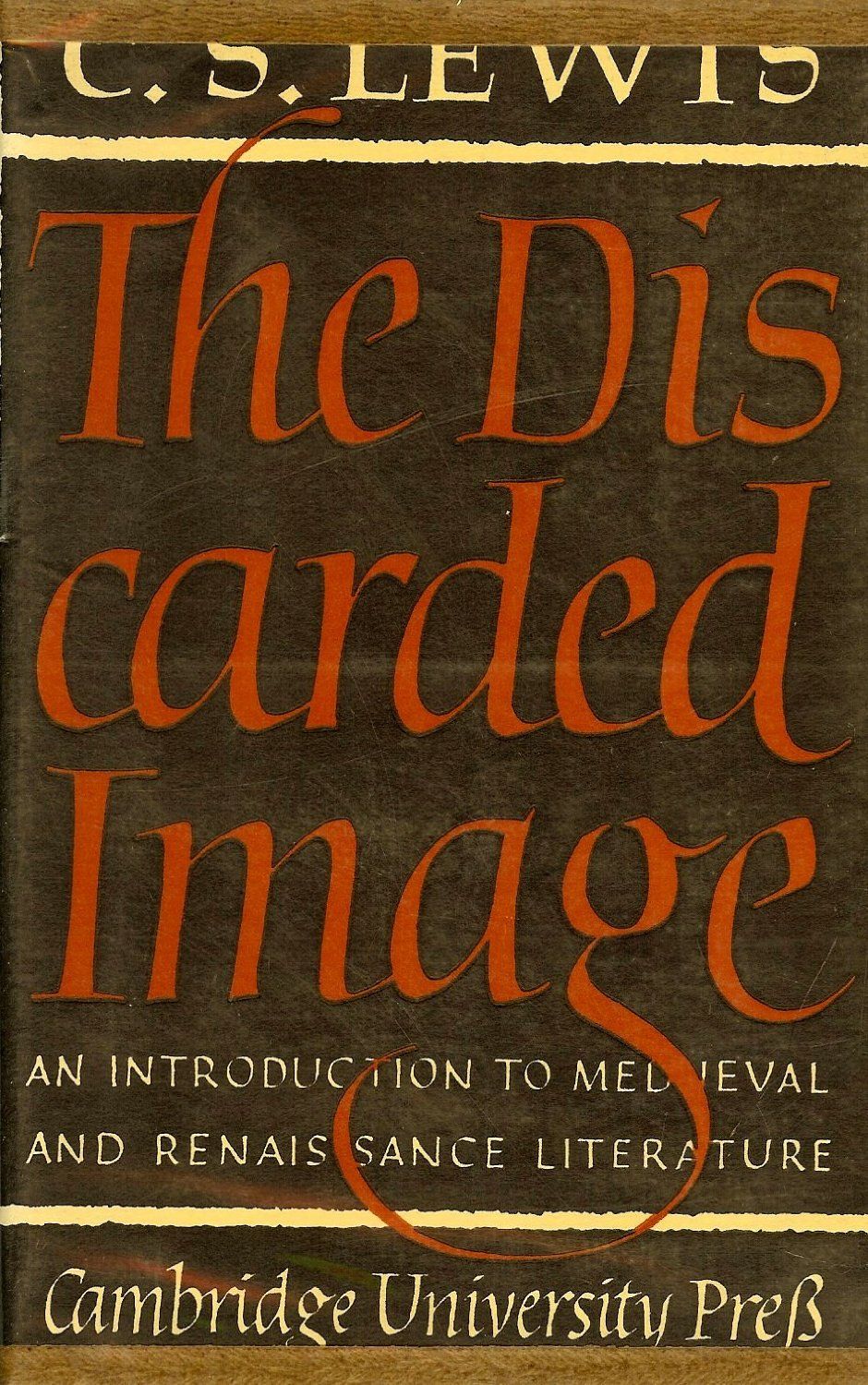
Reviewed on February 13th, 2025
C.S. Lewis was a serious student of medieval literature and thought, and something of a philosopher in his own right. The Discarded Image synthesizes the writings of the Middle Ages to approach an understanding of that period’s zeitgeist. Capturing the feel and thought of a bygone time is like snatching at snowflakes to preserve them before they can reach the ground and lose their distinctiveness, but Lewis manages it in this books, which is equal parts history and philosophy. Whether or not you are a student of medieval literature, this book offers valuable insight into ideas which should not have been discarded.
3. The Dragon Waiting
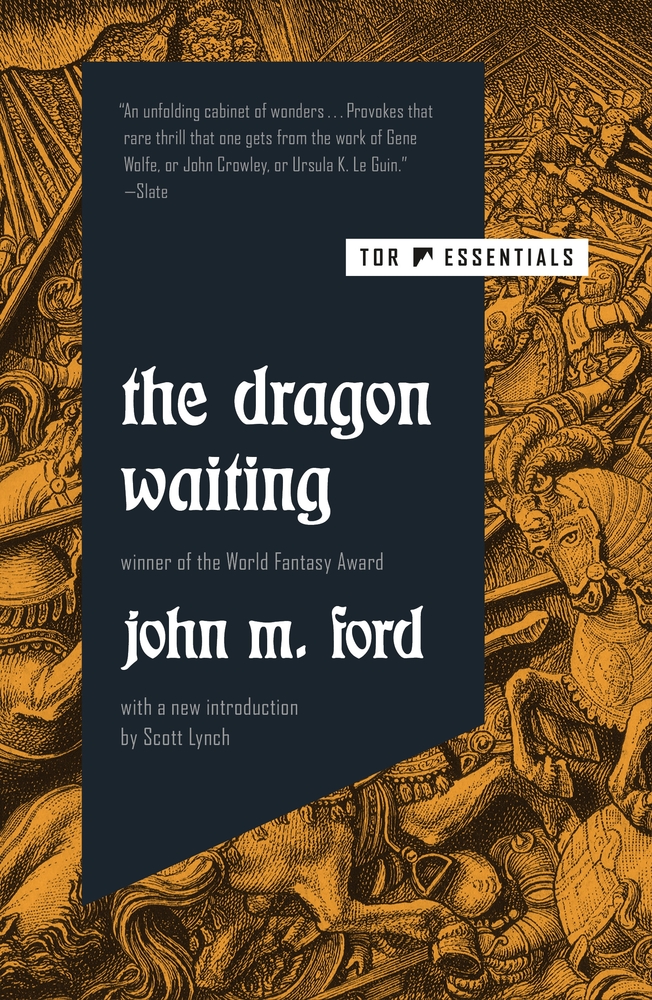
Reviewed on February 27th, 2025
I wish Ford wrote more like The Dragon Waiting. As soon as my wife and I finished this book, we combed through his other writings, but nothing else he wrote was in a similar vein. Technically, this is alternative history, which I don’t generally enjoy, but I think it a worthy entry into historically-adjacent fantasy. I loved everything about this book, and if you like the kinds of thoughts which this site tends to explore, I think you’ll enjoy it, too.
2. The Healing Hand

Reviewed on January 9th, 2025
This might seem a strange entry, especially to reach the second place slot on the list, but The Healing Hand earns its place through thoroughness, relevance, and overall quality. If you are writing a story which does not have modern or futuristic technology, and anyone is wounded, this book should be mandatory reading. It’s deeply researched, including with supporting experiments the author performed himself, and supplemented by well-formatted and helpful illustrations, even if some of them might put you off your lunch. This is a book that will have you questioning assumptions and leave you unable to read less-informed stories the same way again.
1. The Rhetoric of Fiction
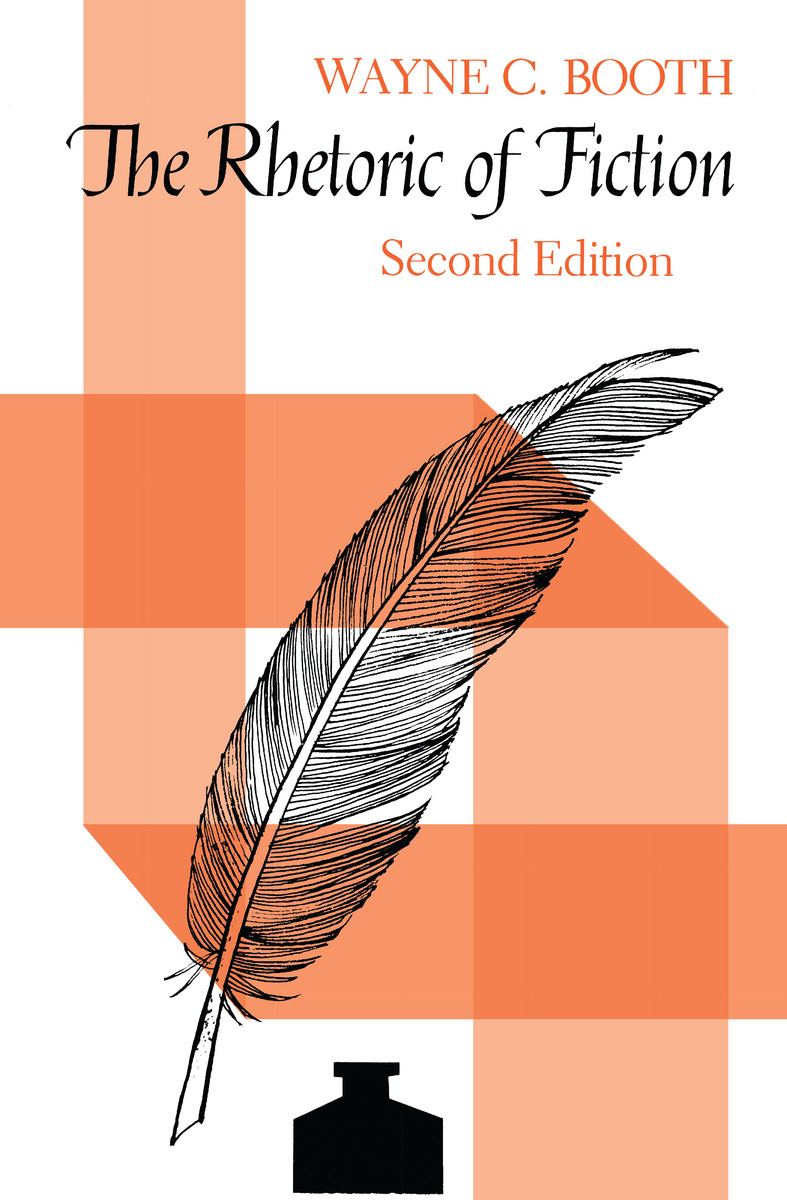
Reviewed on December 18th, 2025
Whatever you write, you need to read this book, but you should be prepared for it to ruin your writing for a period of time after you do. It’s that insightful of a book that it will completely change the way you approach and thinking about the words on the page which make up your writing. I could tell my writing was improving from chapter to chapter as I read this book – I could also tell it was slowing down, but I’ll take a slower writing pace for a time to write higher quality prose. I wish I’d read Booth’s book sooner, but I may not have been ready for what it has to say.
There you have it, my top five books for 2025. Apparently I read a lot of really good books at the beginning and the end of the year, and not so many in the middle of the year. If you haven’t read these books already, they would be a great way to start your 2026 reading. If you already read them, then I encourage you to check out the rest of my reviews, or take a look at my to-read list if you’re feeling adventurous. Here’s to another year of great books.
 IGC Publishing