
Also known as: how to shut up, fit in, and get by – using corporate doublespeak to deceive others, accomplish nothing, and never rock the boat.
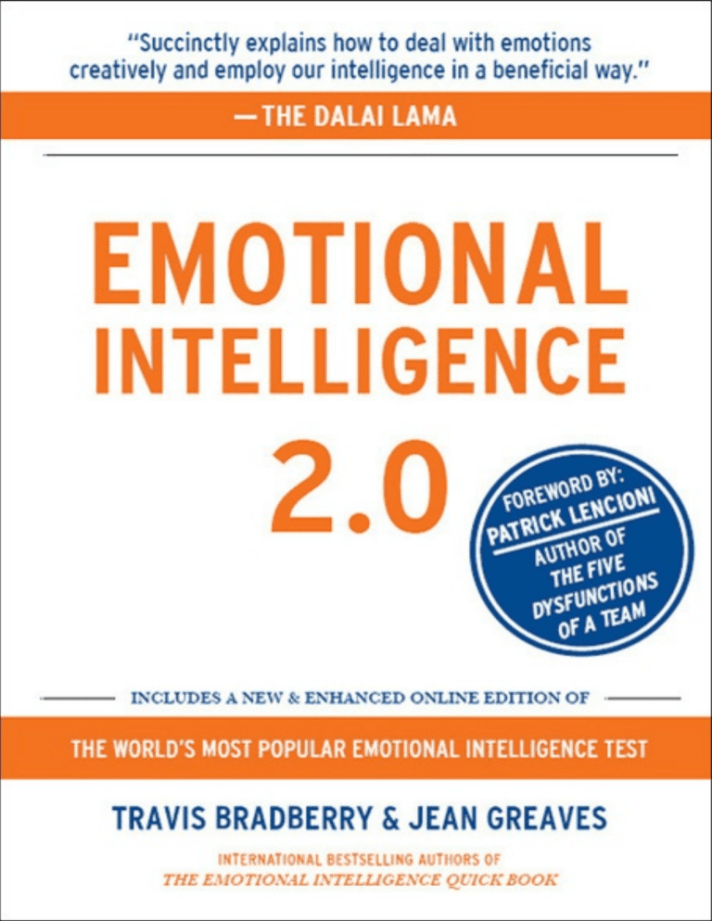
Can you tell I didn’t select this book? It was assigned reading for a “development day” at work, though to say I read it is an overstatement – it was more like annoyed skimming. Since it doesn’t have anything interesting, significant, or groundbreaking to say, that’s not a problem. If you like to think for yourself, come to your own conclusions, accomplish meaningful feats, and be genuinely productive, this book will help you not do those things. But then, you probably already knew that when you saw the title. Padded with useless diagrams, out of context quotes and examples, unfounded statistics without a reference or citation in sight, and generic platitudes, it’s not quite 250 pages that would have been better, and more useful, if they’d been used to write doggerel verse, idly doodle, or to keep the Christmas decorations padded when you box them away for the year. I’m not even giving it its own Thursday book review.
With such a vituperative opening, I should clarify that I am directing these criticisms at the book Emotional Intelligence 2.0, not the concept of emotional intelligence. Well, the concept is rather pseudoscientific, but only a bit more so than the intelligence quotient to which it is so often compared, and the notion of emotional intelligence in some form is a fact of human nature. Being aware of your emotions, the emotions of others, and how they interact is a necessary ability to facilitate interactions and personal wellbeing, but Marcus Aurelius has more insight to offer on the subject than today’s “science.”
That’s not what Bradberry and Greaves mean when they invoke “emotional intelligence,” though. They mean something closer to the skillset of a stereotypical used car salesman. From them, emotional intelligence is the ability to confidently project an image of a generic corporate drone ready to interact smoothly with other generic corporate drones. It’s a vital skill…for continuing on the depressing treadmill of middle management busywork in a large corporation. The version of emotional intelligence advocated in Emotional Intelligence 2.0 is a recipe for sameness and conformity, not innovation, safety, or responsibility. “Emotional intelligence” is a misnomer; the book is really discussing something closer to social camouflaging.
I don’t really go for self-help books in general, not the ones that are marketed as such. Most of them are vague, unfounded, repetitive, and fond of stating the obvious as if it is some revolutionary idea for the development of which the author must surely be a genius worthy of all accolades. Far more “help” can be gained from books that are not so pointed, in part because they ask more of the reader to gain that aid. Self-help books fail because they try to provide a formula, easy answers to questions which are not easy even to articulate, and which do not, and should not, have simple solutions. Emotional intelligence, the understanding of your own emotions and those of others, can be a worthy pursuit. It is part of understanding the human condition, and grappling with it will be a benefit to you. Reading Emotional Intelligence 2.0 is not the way to develop it.

