


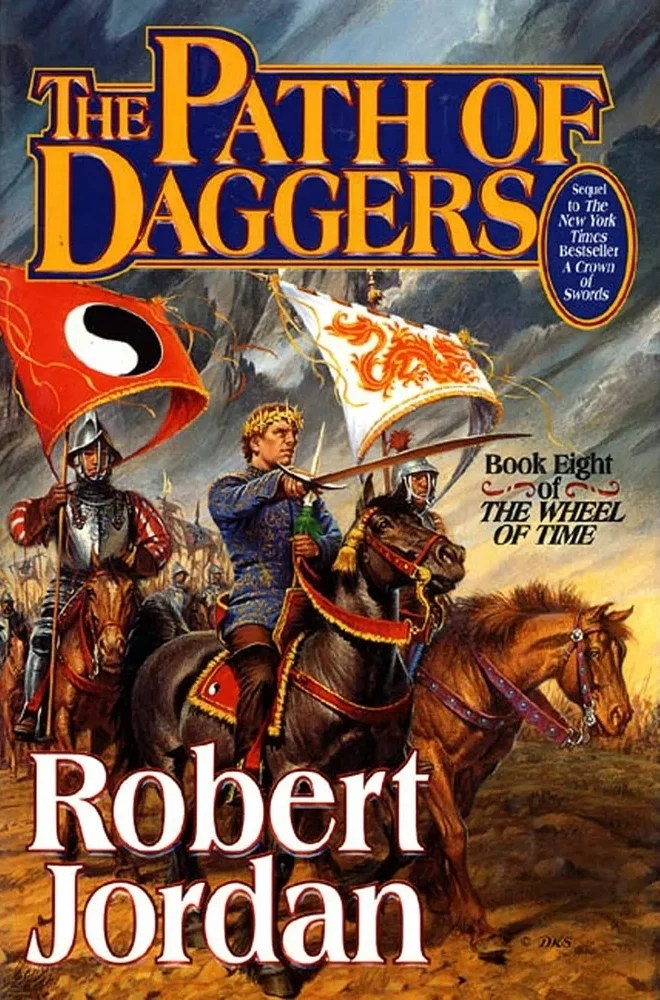
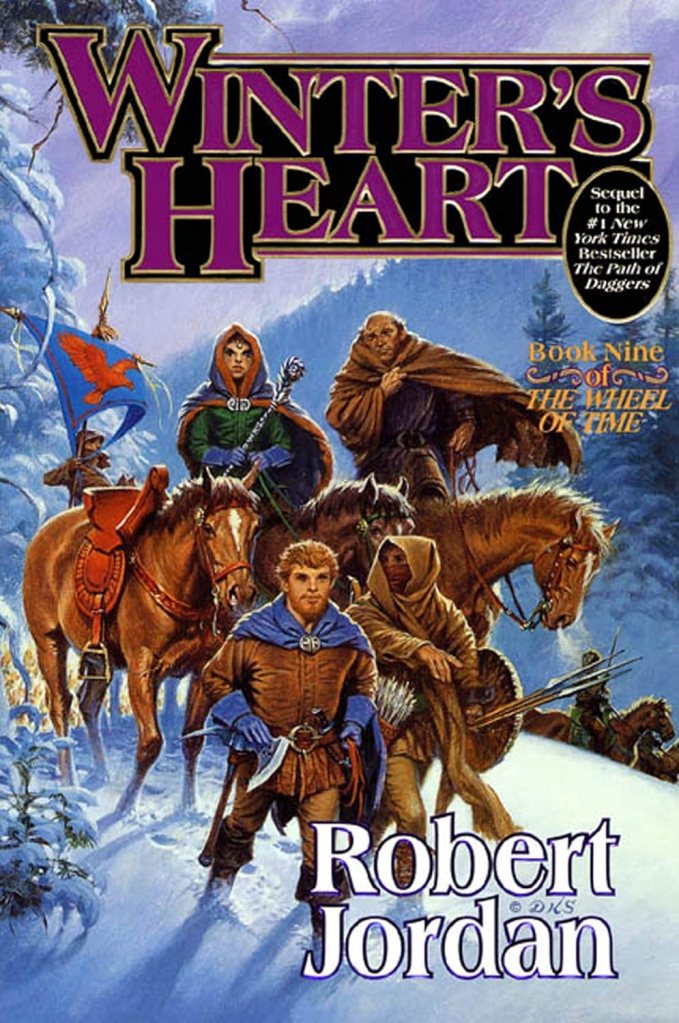
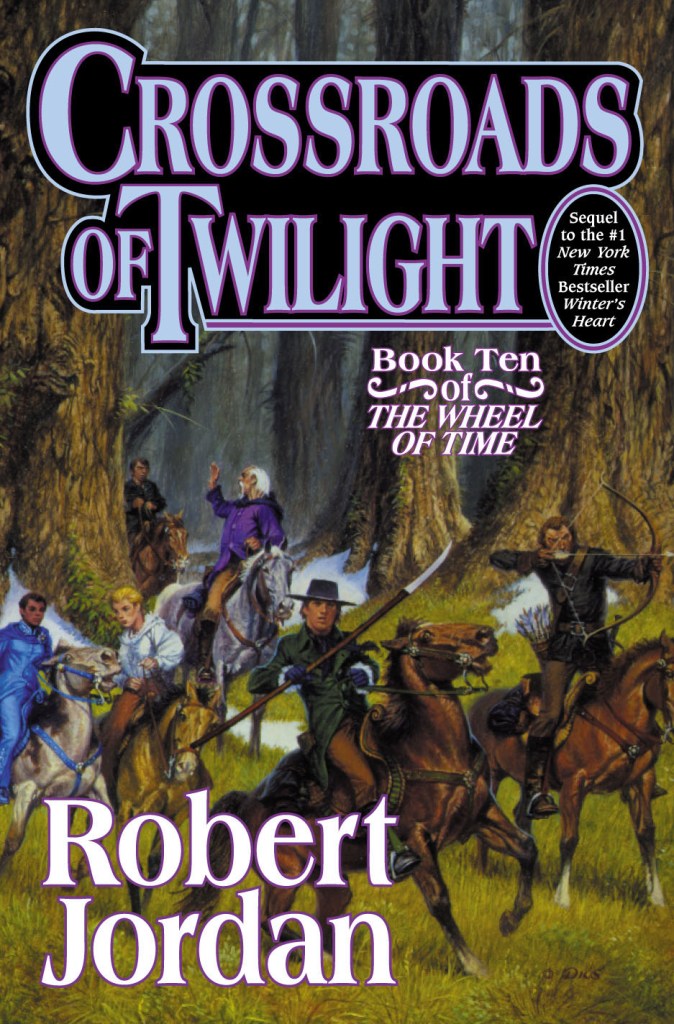
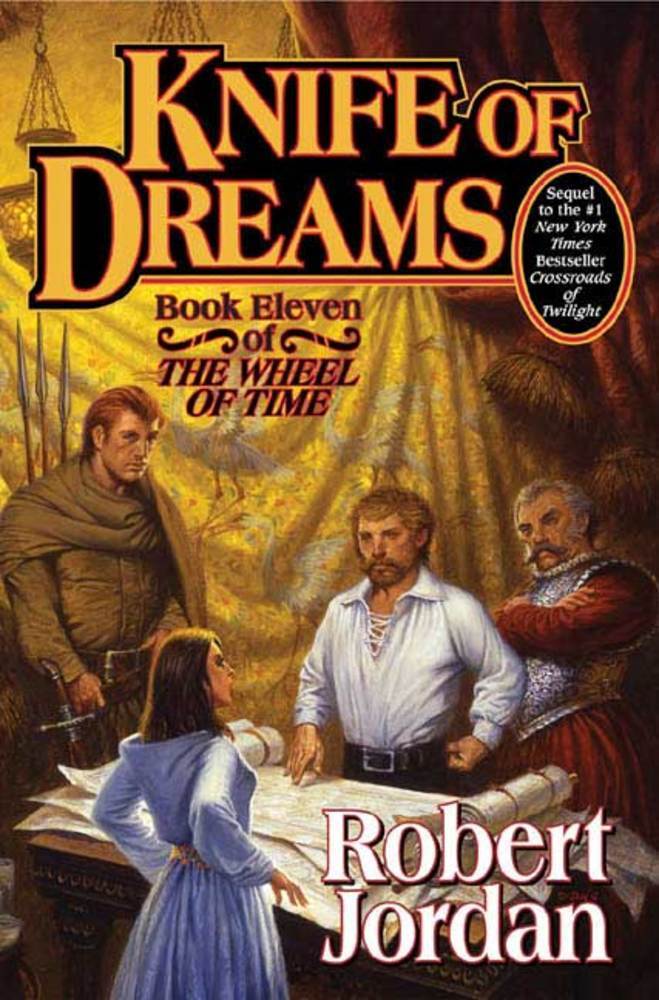
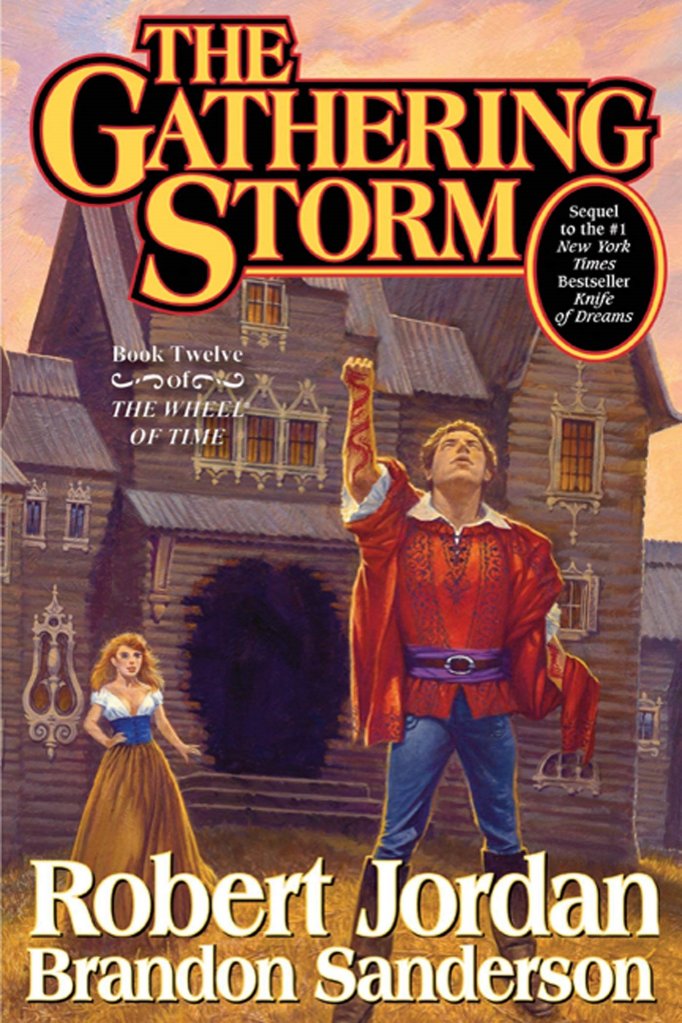
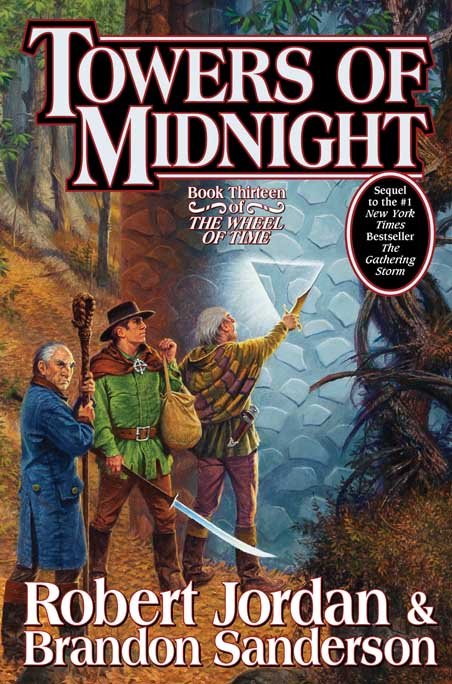
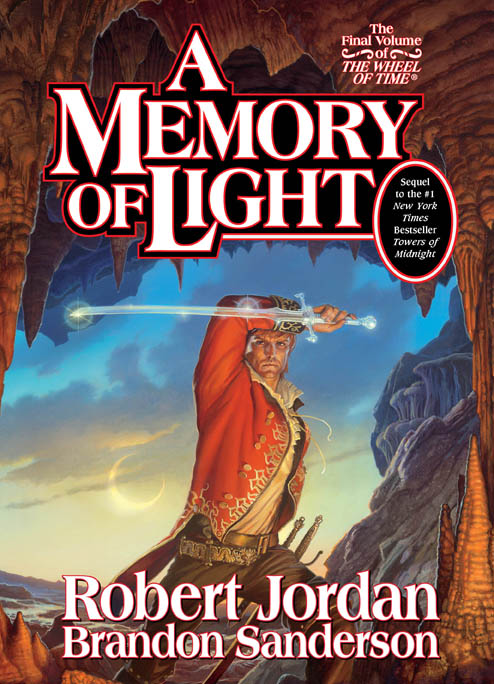
Note: for this series review, we will be doing more of a reflection than a traditional “review.” It is therefore being posted on Tuesday, and there will probably be spoilers.
You get something different out of a book every time you reread it. Even simple, straightforward, unnuanced books will strike differently each time because much of the reading experience is about what we as readers bring to the book. Since we bring something different each time, the book will read differently, but the best books are the ones with enough depth and substance to be as new on the second, third, or fourth read as you are. A literature professor claimed the difference between “plot” novels and “real literature” is that plot novels cease to be enjoyable once the reader knows how the story goes, while real literature retains and even deepens in its significance and impact upon successive readings, after the reader knows “how it ends.” The professor included all genre fiction in the former category, but such long-term significance is not the sole remit of depressing, angsty character studies. From Foundation to Wheel of Time, the best genre fiction deserves to be reread, and offers as much additional with each fresh experience, as much as any non-genre “classic.”
Hence my reread of Wheel of Time. Unlike The Lord of the Rings, which I make a point of rereading every few years, Wheel of Time is simply too great a commitment to reread often. It could have gone faster had I read them back-to-back, but I do not think that’s how they’re best read. Publishing cadence for many series these days is higher than it used to be, and the books accordingly seem to run into each other, as if written to be read in a single inhalation, but Wheel of Time is not written that way. Each book is substantial, and especially the early ones stand on their own, so the reading experience is actually better, in my opinion, if they are spaced out with other books dropped between them. That way, you have time to digest them and fully appreciate them as you read (or reread).
In my reviews for the various books in the series I’ve already explored many of the aspects which distinguish Wheel of Time: the brilliance of the Ta’veren concept as a plot device, the evocative way in which Jordan handles all his characters no matter how prominent their role in the main story, the notion of leaning into tropes so far they stop being tropes and become particular to this telling. We could go over those things again, but I would rather look at Darkfriends.
Trollocs, Myrddraal, the Foresaken, and other twisted agents of the Dark One are the most overt and receive the most attention, but they are also largely generic. Trollocs and mydraal are just…monsters. I appreciate that they are not made to be more than that, contrary to many of the attempts to give faces, cultures, and nuance to the various tropey monsters which appear in diametric fantasy battles. Sometimes it’s appropriate to have a faceless horde, and the trollocs are depicted as sufficiently animalistic in their behavior that there aren’t open questions left about whether they form societies and if they are natively evil or just raised into it. Darkfriends, though…I contend Darkfriends are a major source of the pervasive dread and sense that the Light is barely holding on throughout the series. You never know who they are, who’s willing, who’s motivated by something selfish, or nefarious, or noble, who’s being manipulated, who’s unwitting, and you sometimes don’t get confirmation, either. It’s not like a Darkfriend turns into a toad when they’re defeated. Jordan handles this masterfully throughout the series, Sanderson less so, which is part of why the series’ tenor changes a bit when the author change occurs.
Numerous times throughout my reviews for the books in the series, I praised Jordan’s ability to evoke fully-textured, real-seeming minor characters with only a few paragraphs in their perspectives. It is strange, then, that the Foresaken are presented more like archetypes. They have personality, but their motivations, beyond a vague notion of “power,” are left largely unclear. In at least one case, this is deliberate, as Lanfear doesn’t seem quite certain of her own motivations and loyalties at times, but that doesn’t hold for all of them. Their tendencies and traits are magnified to such an extent that they stop being people and become more like forces of nature in most cases, even when an egomaniac is personally targeting Lews Therin. I think this is part of why I sometimes had trouble keeping all of them straight. Some of this must have been intentional on Jordan’s part, but I think more could have been done to explore those characters and make them both distinctive and memorable.
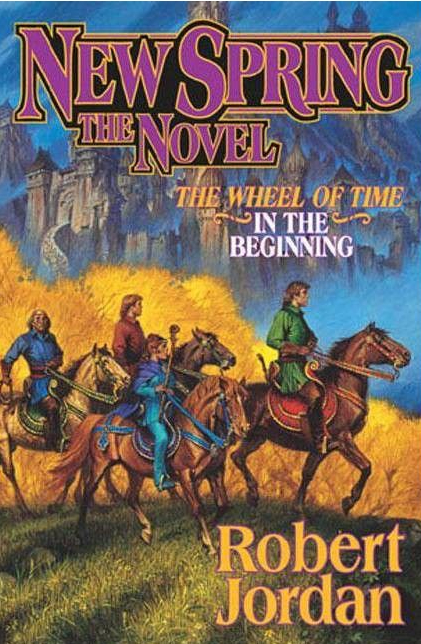
It’s funny how, after fourteen books (fifteen, if you count New Spring), I keep coming back to things that could have been expanded. Not in the sense of spin-offs stories I would like to see, or endless prologues and follow-ons, like sometimes happens when an author has a successful initial book or two, and continues in that world long after the stories are exhausted (cough, Shannara, cough), but in the sense of aspects of the core plots which could have further amplified some aspect or another. Many readers rag on Wheel of Time’s mid-series entries for being slow and failing to advance the plot, which I did not find to be the case. If anything, I would say a few of the books towards the end move too quickly. Not that they don’t make sense as is, or leave out anything vital, but in the sense that some moments would have more impact, some characters could be given more perspective, if the later books were allowed the same expansiveness for each individual moment as some of the middle ones.
This was the first reread I did of Wheel of Time with an eye towards the writing itself, the mechanics of how the series and its component stories are assembled. It was a valuable exercise in that respect, but mostly, it was a useful reminder that as much as I enjoy the way me usual reading approach allows me to sample and explore a wide range of literature, I should make time for longer series into which I can immerse myself over months. Finding series deserving of the time is its own challenge, but Wheel of Time easily makes that list.
 IGC Publishing
3 thoughts on “Wheel of Time Series Review”