
Seven articles for you this week, with a heavy space emphasis (and NASA news in particular). Additionally, while I chose not to feature it in the newsletter because we wrote a bit about it in a previous edition, Ars Technica ran a piece this week about SpaceX’s impending retirement of the Falcon 9, its shifting focus for Starship, and the associated impacts to the launch landscape (SpaceX no longer needs NASA, and that’s a problem for America’s space agency – Ars Technica). It shouldn’t be treated as gospel (especially since Ars Technica has a decidedly ideological tilt these days), but it does offer a perspective on why SpaceX would be so insistent on retiring Falcon 9 despite persistent demand for the vehicle’s services and its unprecedented success.

Lucy in the Sky with Asteroids
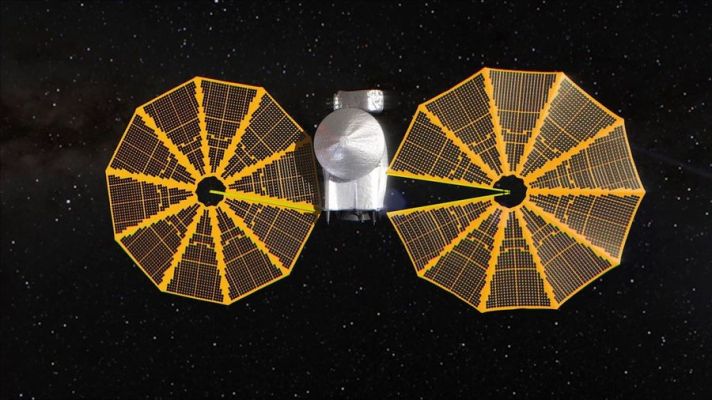
The Lucy team determined this week that their spacecraft officially entered the region of Jupiter’s Trojan asteroids. It’s not like there’s a definitive marker – not even a vague and fluctuating boundary like the region of equilibrium pressure between the exosphere and the solar wind, or between the solar wind and the interstellar medium – but the conclusion is based on gravitational effects on Lucy’s trajectory associated with proximity to the L4 point. However, in another reminder that space is big, it will be another year before the spacecraft makes its first close asteroid encounter. The debris field of The Empire Strikes Back this is not.
Read more here: NASA’s Lucy Reaches Trojan Asteroid Region 5 Years After Launch – NASA Science
Hot and Fast Delivery
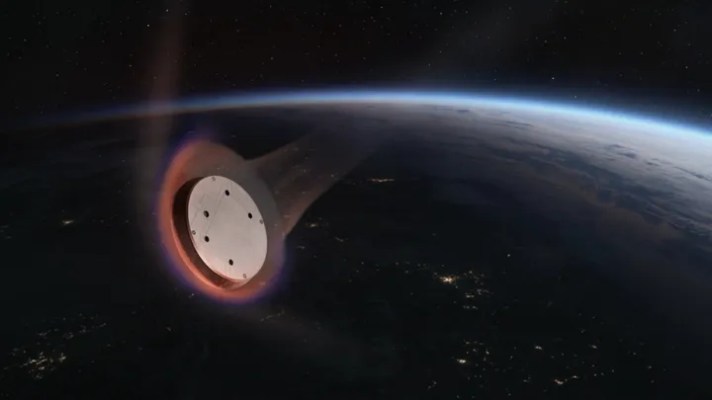
Point to point delivery of supplies by rocket is one of those ideas which sounds great at first – surely it is faster and more effective than any other method of cargo delivery, since it’s a rocket – but which must yet prove its practicality because of the complexities involved in the details. Details which are notably absent from this write-up, like the total time elapsed for the delivery and pickup, the amount of preparation required, and the accuracy of the delivery.
Read more here: SpaceX’s Starfall capsule delivers cargo for US Air Force in landmark ‘point to point’ space mission | Space
Voyager Update
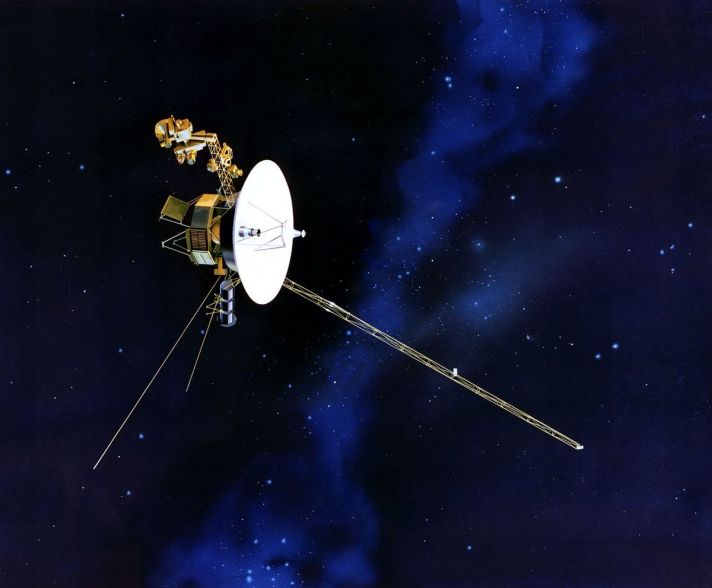
Nothing groundbreaking here, but it’s always exciting to see an update on the Voyager probes, which usually feature all the clever things they’re doing to keep them operating at the edge of the solar system with their onboard power systems inching towards end-of-life.
Read more here: NASA’s Voyager 1 Conserves Power, Resolves Brief Communications Pause – NASA Science
ISAM Today and Someday
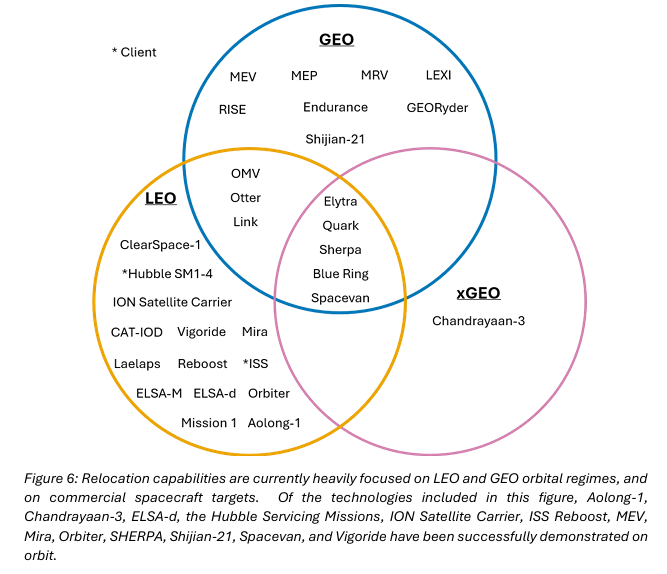
While I’m convinced ISAM is critical to the future of a durable presence beyond Earth orbit, the field consistently struggles to gain traction. I’ve written a bit about that in some of my space technology posts. This week, NASA put out its annual edition of the ISAM “state of play” document, which covers the current environment and capabilities in ISAM. We keep making progress, but we’re still a long ways from doing complex manufacturing at-scale in space.
Read more here: ISAM_State_of_Play_2026.pdf
Point and Point
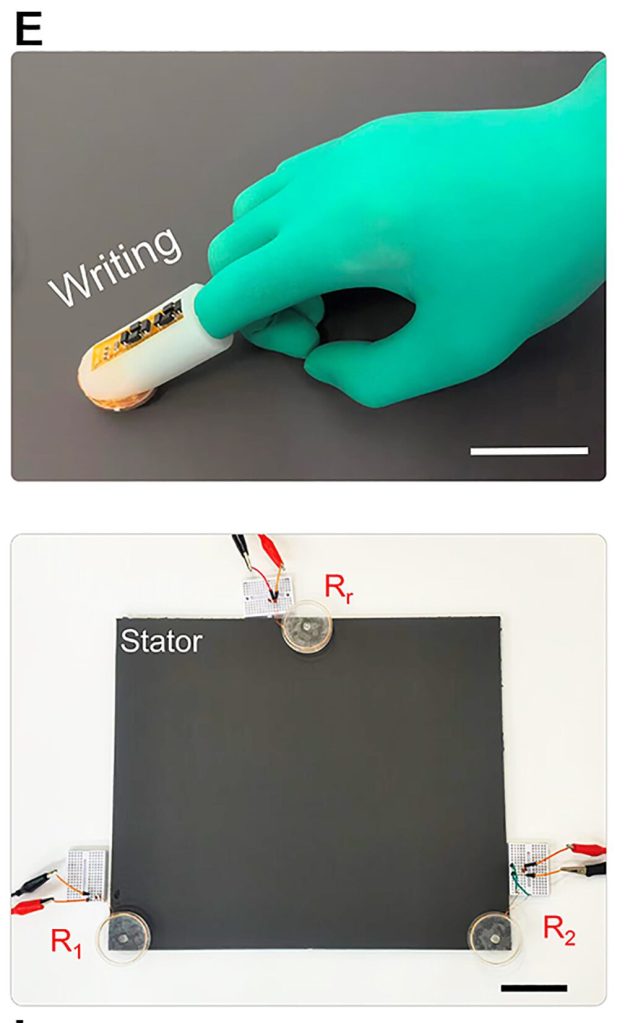
This is a rather neat bit of technology for improving the human-machine interface, which is a fancy way of saying it might one day be an alternative to clumsy touchscreens and computer mice. The paper includes some nice supplementary videos of the device in operation, too. That said, there is a long history of trying to improve these sorts of interfacial devices, and yet the basic forms for most purposes remain relatively static, so don’t necessarily expect this to ship with your next computer purchase. Like some of the advanced VR interfaces, this will probably have some very specific use cases, but not be as broadly applicable.
Read more here: A self-powered finger-worn wireless tracking interface for human-machine interaction | Science Advances
Waste Not, Not Waste
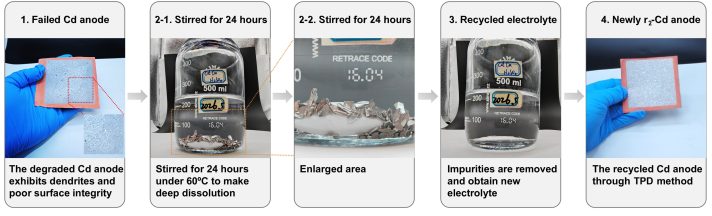
When you engineer a process to produce a certain output, there will inevitably be waste products, but like the old saying about a weed just being a plant growing in a place you don’t want it to grow, that waste often contains an abundance of potentially valuable constituents. Wang and team describe a way to extract another useful product, cadmium, from the waste of zinc mining, but they don’t stop at that initial stage. They follow the cadmium through its lifecycle as electrodes to a regeneration phase, where the cadmium can be recovered and reused as new electrodes after additional processing.
Read more here: Engineering a closed-loop electrochemical pathway for cadmium recovery and aqueous battery reutilization | Science Advances
Hubble Services
Before Isaacman became NASA administrator, he proposed several times that he would fund and execute a servicing mission to the Hubble Space Telescope if NASA authorized the mission, which NASA declined to do at the time. Once he became administrator it seemed like only a matter of time before NASA reexamined the Hubble servicing situation, and now they’ve issued a request for information on the subject. This is somewhat akin to the recent SWIFT mission, although on a longer timeline and for a significantly higher profile target.
Read more here: SAM.gov

That’s all for this week. If you have questions or have a subject you’d like me to cover in more depth, let me know in the comments.

