
Apologies for the delay in getting this newsletter published. We should be back to our regular schedule this upcoming Saturday. For today, it’s taking the place of the usual Tuesday post. I have seven articles to share this week, dealing with everything from dark matter to the sensory capabilities of trees.

Improving Martian Helicopters
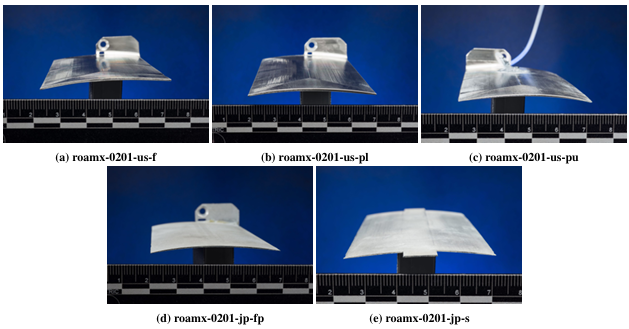
The Ingenuity helicopter which flew on Mars was one of the most exciting space vehicles from an engineering perspective to fly in recent years. It was developed on a tiny budget by a small team using mostly COTS components as a pure technical demonstration which no one was sure would work, and it ended up being spectacularly successful. Beyond the headline-grabbing “first flight on another planet,” the little helicopter provided a scouting capability for its parent rover and proved the operational viability of “regular” components like computer processors in these kinds of environments, as opposed to the specialty hardware usually specified for space missions. This paper looks to iterate on Ingenuity’s airfoil design, with a proposed geometry which could produce significant increases in maximum lift, stall characteristics, and lift-to-drag ratio.
Read more here: AIAA_airfoil.pdf

Better Science?
NASA’s Science Mission Directorate is changing the way they compete mission and science proposals. You can read the detailed in the linked article, and there is a town hall you can attend on Monday if interested. The idea is to increase competition, create a faster, better pathway for new capabilities regardless of source, and increase accountability for cost and schedule changes. It will be interesting to see how this impacts SMD’s activities going forward.
Read more here: Faster to Science: A Letter to the Science Community – NASA Science
Practiced Creativity
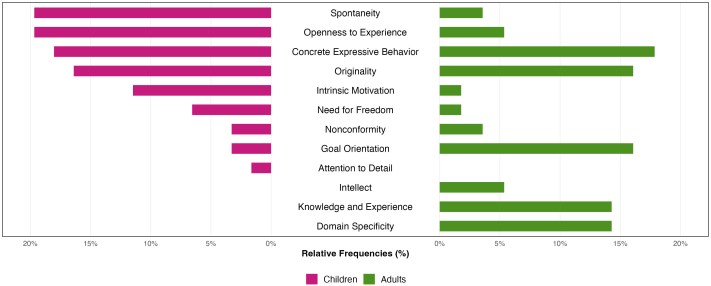
Every so often a study like this appears, and the past few that I’ve seen claim much the same thing: adults are more creative and imaginative than children, but children are more confident in their creativity and imagination. Of course, defining creativity and imagination is treacherous, never mind measuring it in a useful way, and all the techniques these studies use can be a bit of a stretch to support their conclusions. Still, it’s interesting to think about, and the thinking can itself be useful exercise of those abilities. One of these days I’ll get around to reading one of the books I’ve added to my list on the subject…
Read more here: Are children really more creative than adults? A mixed-methods examination of creative performance and experience | PLOS One
Icy Aminos (for aliens, not health supplements)
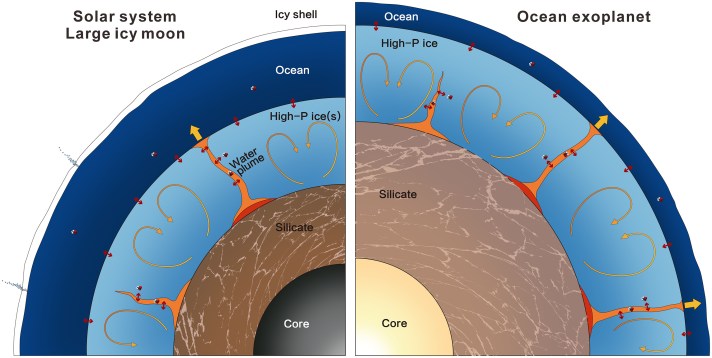
It’s best to always be a bit skeptical of anything relating to habitability of alien worlds. After all, when it comes to habitability, we have a sample size of one from which we’re trying to extrapolate to the entire universe. Papers like this one are more intriguing than ones which try to be more sensational, because it is exploring something at a more fundamental level with intriguing implications for the bigger picture habitability question.
Read more here: How high-pressure ices on large ocean worlds can support habitability: The compatibility of amino acids into ice VI and VII | Science Advances
The Case of the Missing Dark Matter
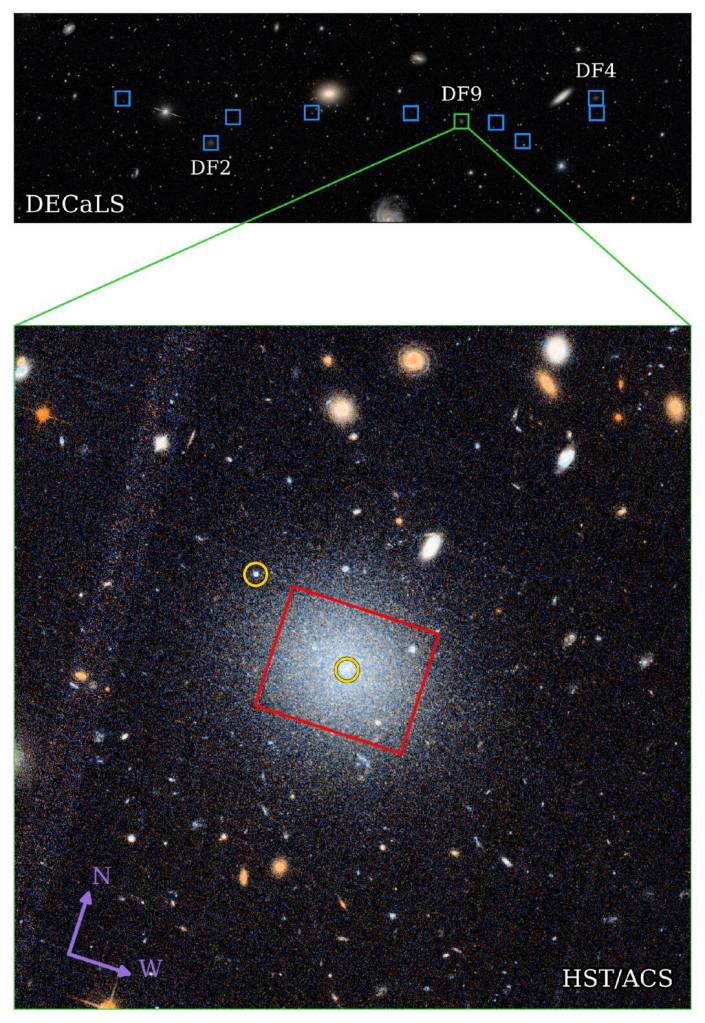
Quanta recently published this article, inspired by a summer paper (A Third Galaxy Missing Dark Matter along a Trail of Galaxies in the NGC 1052 Field – IOPscience) about galaxies that don’t have dark matter. It’s a strange claim to make on the surface, considering we still don’t really know what dark matter is, but a surprisingly convincing one. In a way, the absence of dark matter’s influence in these measurements is a stronger argument against alternative explanations for dark matter, like alternative theories of gravity, than direct measurements of what we think dark matter may be.
Read more here: Triplet of ‘Ghostly’ Galaxies Hints at What Dark Matter Is — and Isn’t | Quanta Magazine
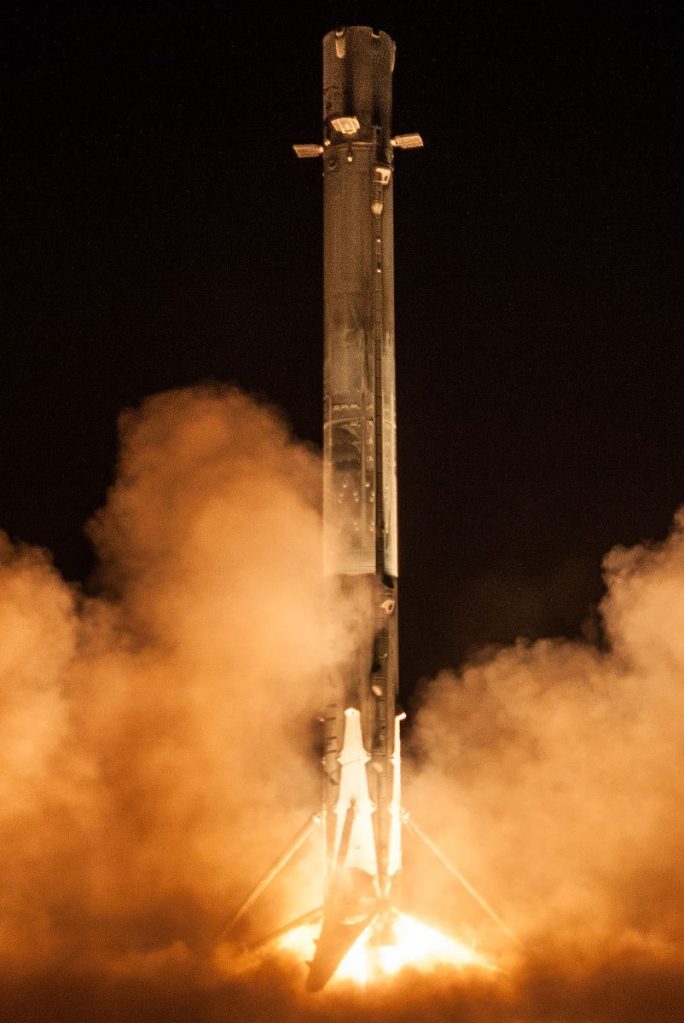
Falcon 9’s Impending Retirement
SpaceX has been making the news a lot recently with what’s it’s declining to do instead of what it’s doing, specifically with regards to its projected retirement of the Falcon 9 in favor of Starship. Apparently, even national security money isn’t enough to secure additional Falcon 9 launches. The Falcon 9’s eventual retirement will be the end of a remarkable era for rocketry, and while SpaceX is projecting confidence Starship will provide sufficient launch capacity, it fills a slightly different niche, and the rest of the industry seems less confident in its timeline. Nor are other space launch companies really positioned to provide the kind of capacity Falcon 9 has for the past few years.
Read more here: Space Force scrambles as Musk’s SpaceX retires its major rocket – POLITICO
Poplar Proprioception
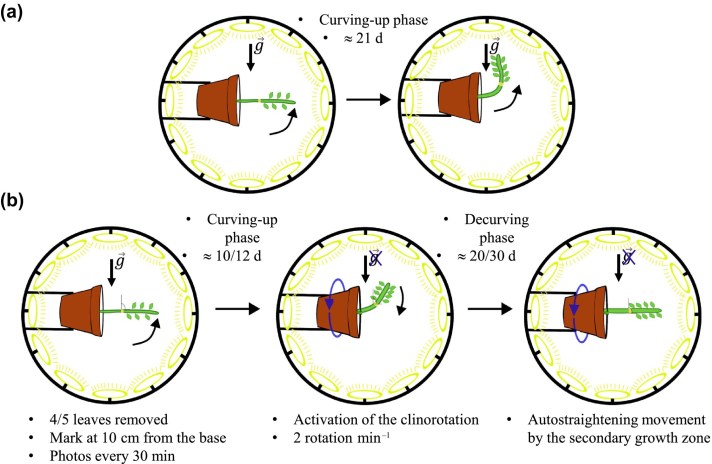
When I was reviewing my usual sources for updates to include in this week’s newsletter, I did not expect to come upon a study that involved applying centripetal force to poplar trees in order to see if they had a sense of proprioception. I certainly did not expect the answer to be that yes, they do, and that they deliberately correct to grow straight aside from their usual light and gravity sensing abilities.
Read more here: Proprioception drives tension wood formation for autotropic straightening and postural control in trees – Caulus – New Phytologist – Wiley Online Library
That’s all for this week. If you have questions or have a subject you’d like me to cover in more depth, let me know in the comments.

