
I had less time this week to keep up to date on my various sources for the papers and articles I share in this newsletter, so I only have three articles for you this week. Next week might be a heftier offering, since I’ll hopefully have time to catch up on what I missed. For now, here are articles on highly accurate clocks, SpaceX’s Raptor engine, and updates on Boeing’s Starliner capsule.

A Better Time
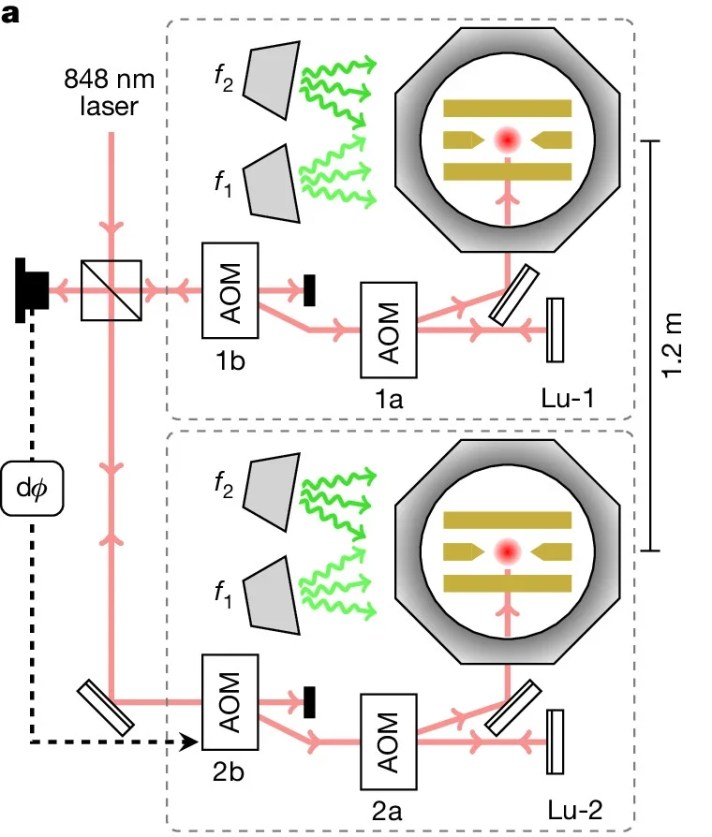
The precision and accuracy with which we can measure time is one of those hidden pieces of infrastructure which enables so much of how the modern world operates, and improvements thereof will similarly enable new technologies and capabilities in the future. Traditionally, some of the most accurate and precise clocks require extreme conditions to operate, like very low temperatures, cleanrooms, and high-performance vacuum chambers, along with expensive laboratory equipment and supporting facilities, limiting their proliferation. The 176Lu+ single-ion optical frequency reference described here achieves its performance at room temperature, potentially allowing it to be implemented in a wider variety of circumstances and in more practical applications.
Read more here: Lu+ optical frequency references with accuracy verified at the 19th digit | Nature
Starship Reached Orbit
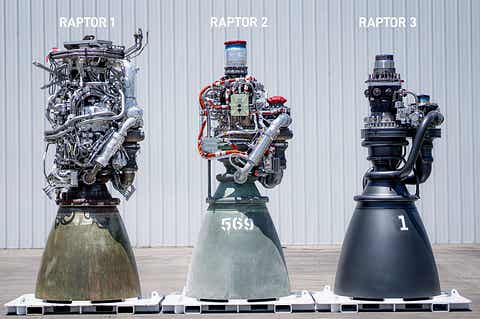
In light of SpaceX’s first successful orbital flight of Starship, I’m sharing this interesting look at the evolution of the Raptor. If you’re already familiar with basic rocket science it won’t say anything unfamiliar, but it’s an approachable breakdown of the concepts behind the design and some of the iterations it may have gone through to reach its current state which still manages to be robust in its information density.
Read more here: How SpaceX Streamlined the Raptor Engine – by Brian Potter
Nth Try’s the Charm?
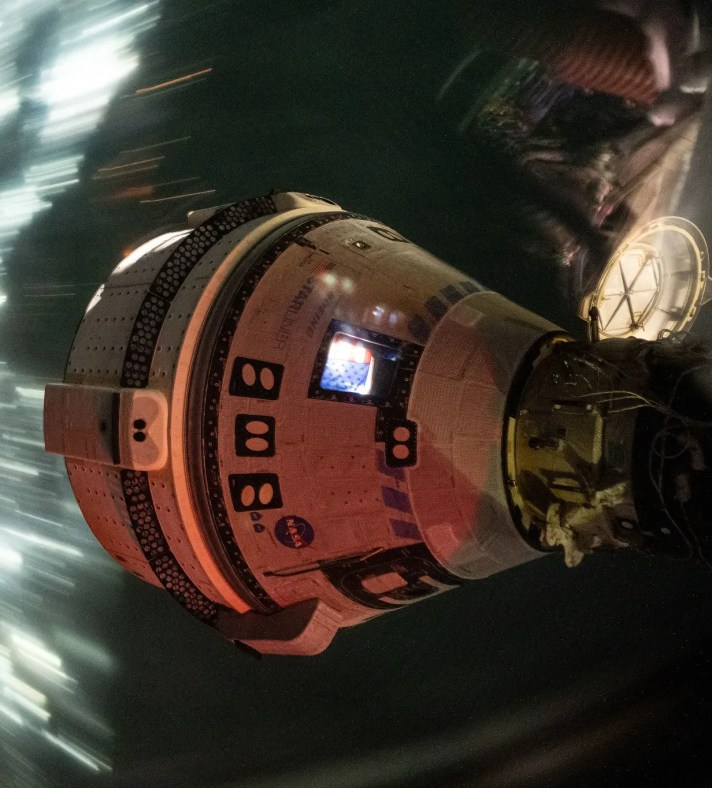
It’s easy to be an armchair commentator calling continuation of Starliner a sunk cost fallacy. Boeing’s crew capsule is badly behind schedule, obscenely overbudget, and beset by a host of tenacious technical problems which continue to crop up after multiple design, test, and redesign iterations. Its most recent crew flight test nearly stranded the astronauts in a vehicle both incapable of rendezvousing with the ISS and untrustworthy for returning to Earth (fortunately, the crew was ultimately able to rendezvous with the ISS, and the vehicle eventually returned to Earth unmanned without incident). Nonetheless, work continues, with this NASA announcement detailing some of the modifications Boeing is making prior to the next uncrewed test flight in December/January, as well as NASA’s intention to continue flying Starliner, even assisting Boeing with certification of the capsule on Vulcan (a significant investment of time, effort, and resources). However, with SpaceX intending to retire its Dragon capsule, no other crew capsules seeming plausible in the near future, and talk of continuing to cling to the ISS into the 2030s, it’s less clear if this is sunk cost fallacy or a lack of viable alternatives.
Read more here: NASA, Boeing Share Update on Commercial Starliner Development Plans – NASA
That’s all for this week. If you have questions or have a subject you’d like me to cover in more depth, let me know in the comments.

